Buckle Up, We're Watching The CW's Lesbian Harlequin Romance Movie
Should we care about this?

This is the Sunday Edition of Paging Dr. Lesbian. If you like this type of thing, subscribe, and share it with your friends. Upgrade your subscription for more, including weekly dispatches from the lesbian internet, monthly playlists, and a free sticker.
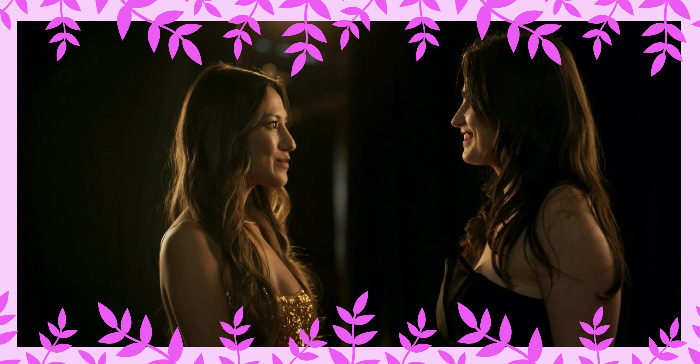
During the 2025 holiday season, the CW Network aired six new films based on Harlequin romance novels. It was news to me that the CW aired made-for-TV films at all, but then I discovered another surprising fact: one of these films is about lesbians.
Though it is sometimes used as a catch-all term for a certain kind of formulaic romance novel, Harlequin also refers to the romance publisher of the same name. Founded in 1949, Harlequin is a giant in romance publishing. They feature “category” romances, which are defined by a shorter word count, a central focus on romance, familiar tropes, and a guaranteed happy ending. Harlequin currently publishes 11 different romance lines, including Harlequin Heartwarming, Harlequin Presents (about royals and billionaires), and Harlequin Medical Romance. Each imprint releases a set number of titles each month (say, four), and then these books are replaced by the next month’s offerings. Quantity and consistency are everything.
They also have a digital-first imprint, Carina, which publishes genres like fantasy, science fiction, and erotica. In 2020, they launched Carina Adores, Harlequin’s first LGBTQ-focused imprint. (“For readers who love love,” the website reads.) Despite this foray into LGBTQ storytelling, the novel upon which the CW’s lesbian Harlequin romance movie is based isn’t a Carina Adores publication. Instead, it’s adapted from a straight romance novel called Ordinary Girl in a Tiara, which follows a normal woman who finds herself involved in a fake-dating scheme with a prince.
The CW movie has little in common with its source material. It follows the heiress of a fashion empire and her childhood nemesis, a struggling vintage clothing curator. There is no fake dating plot, but they are forced to cohabitate for several days, during which old grudges begin to thaw. The folks behind the movie maintain the connection to the novel, no matter how tenuous. “We were blessed to have [the author’s] support, as well as Harlequin’s, to reimagine her story as an LGBTQ+ romance with the focus on the emotional DNA of the book — self-discovery, courage, and love that defies convention,” says executive producer Craig Cegielski.
Ordinary Girl in a Tiara was written by Lisa Rose Snow, best known as the director of Under the Christmas Tree, Lifetime’s first lesbian Christmas movie. Ordinary Girl in a Tiara’s director, Meeshelle Neal, has also made several Christmas movies and helmed the recent Canadian lesbian film A Firefighter’s Christmas Calendar. Kathryn Gallagher plays Philipa, the fashion heiress in question. The daughter of actor Peter Gallagher, she’s also a singer and starred in Jagged Little Pill on Broadway. (An out queer woman, she appears to be dating Jacqueline Toboni, star of The L Word: Gen Q.) Her co-star is Katharine King So, a queer actor you may have seen in Revival or Transplant.
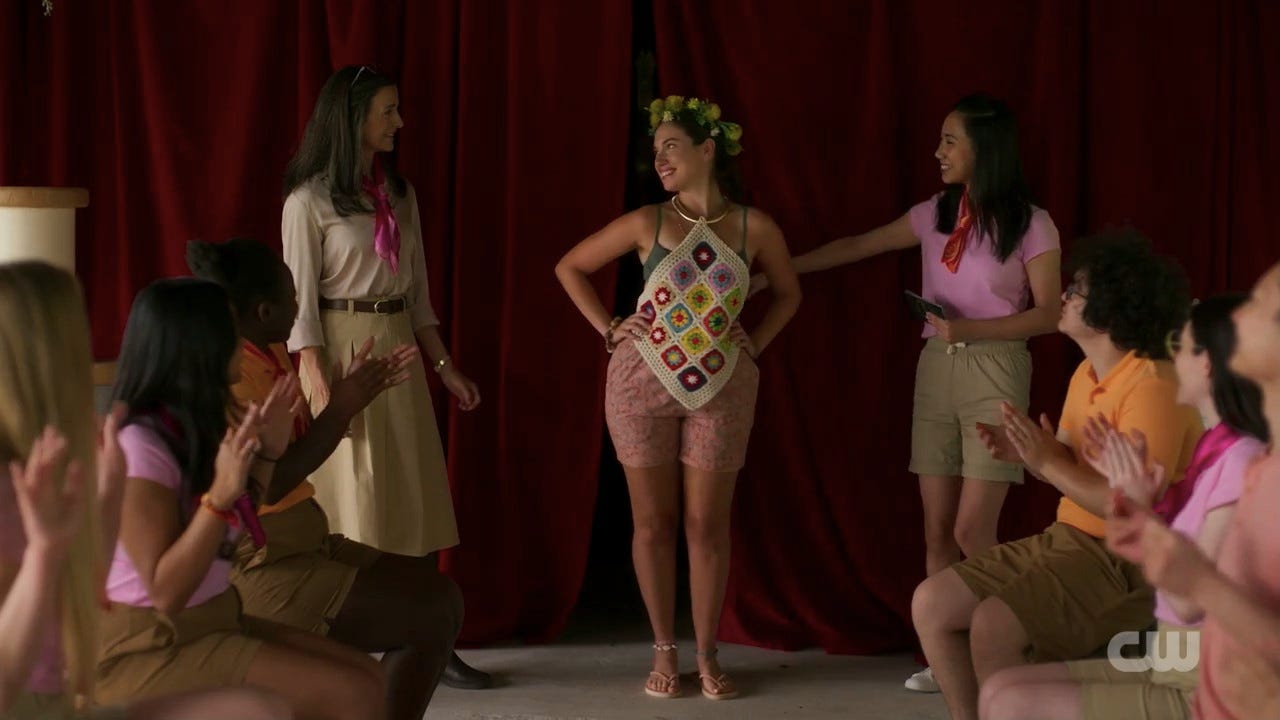
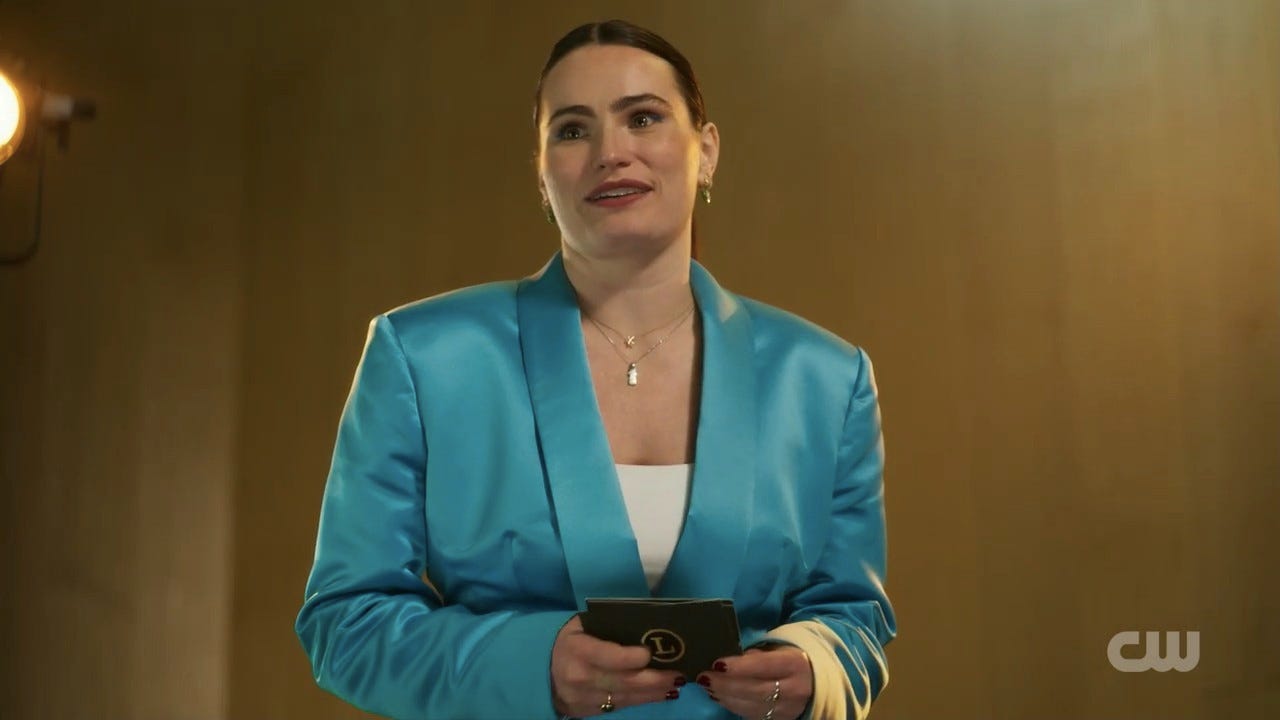
We meet Philipa and Caro when they are teenagers attending a fashion camp run by Philipa’s family company, Levreaux. Philipa wears Caro’s design and passes it off as her own to impress her mother, thus spoiling their friendship and burgeoning romance. Ten years later, Philipa is a bored heiress working for the family business. When she’s caught saying their new fashion line looks like mouthwash, her mother sends her into hiding. Meanwhile, her mom is considering a merger with Fashion Scotia (a thinly veiled allusion to the infamous fast fashion brand Fashion Nova).
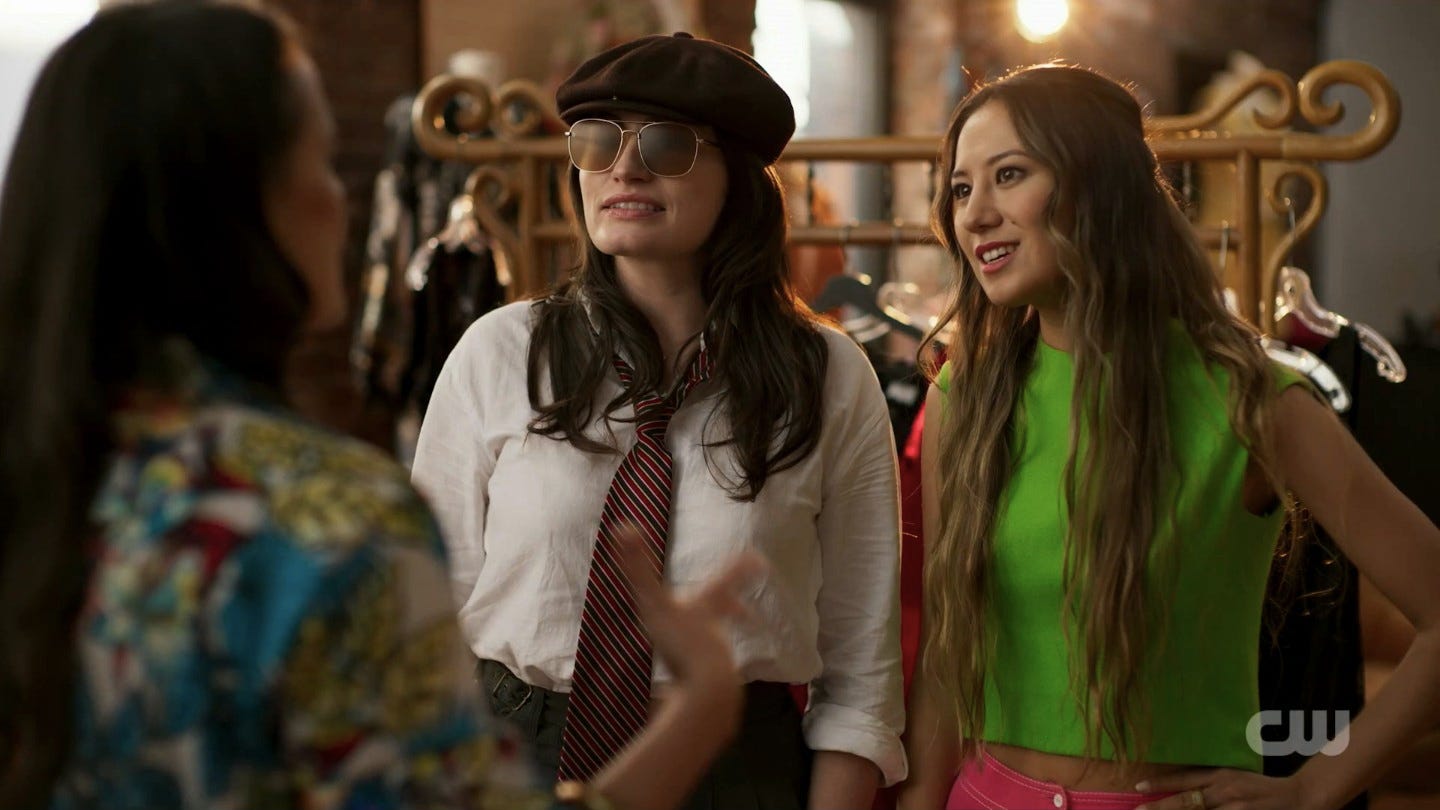
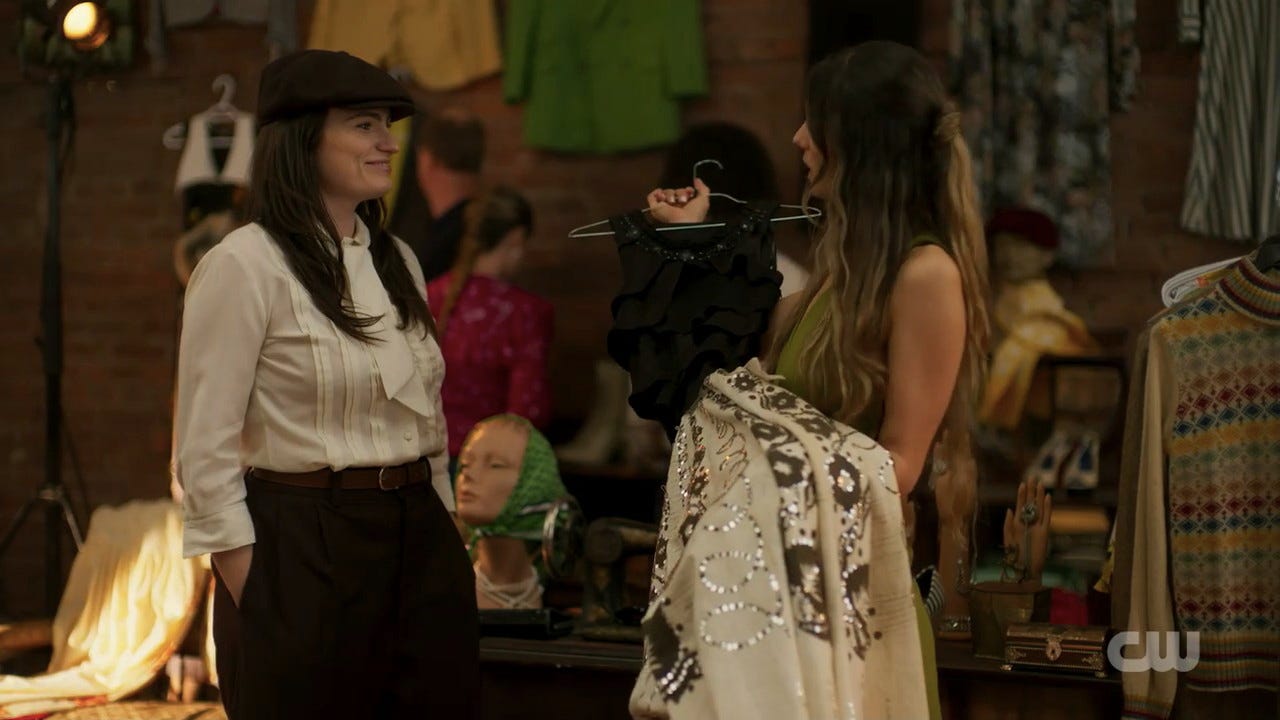
Caro works for a vintage fashion proprietor but has styling dreams of her own. When Caro’s sister, Emma (Chantelle Han), who works for Levreaux, agrees to let Philipa stay with them, Caro is not happy. The two women immediately clash. Philipa is a spoiled rich girl who expects to get everything she wants, and Caro is a sassy go-getter who gets booty calls from a C-list pop star client. Philipa is dealing with her demanding mother and a nosy journalist who wants her dead, while Caro is busy preparing for some confusingly organized vintage fashion market. In the midst of this drama, they manage to share a bed and exchange many meaningful glances. Obviously.
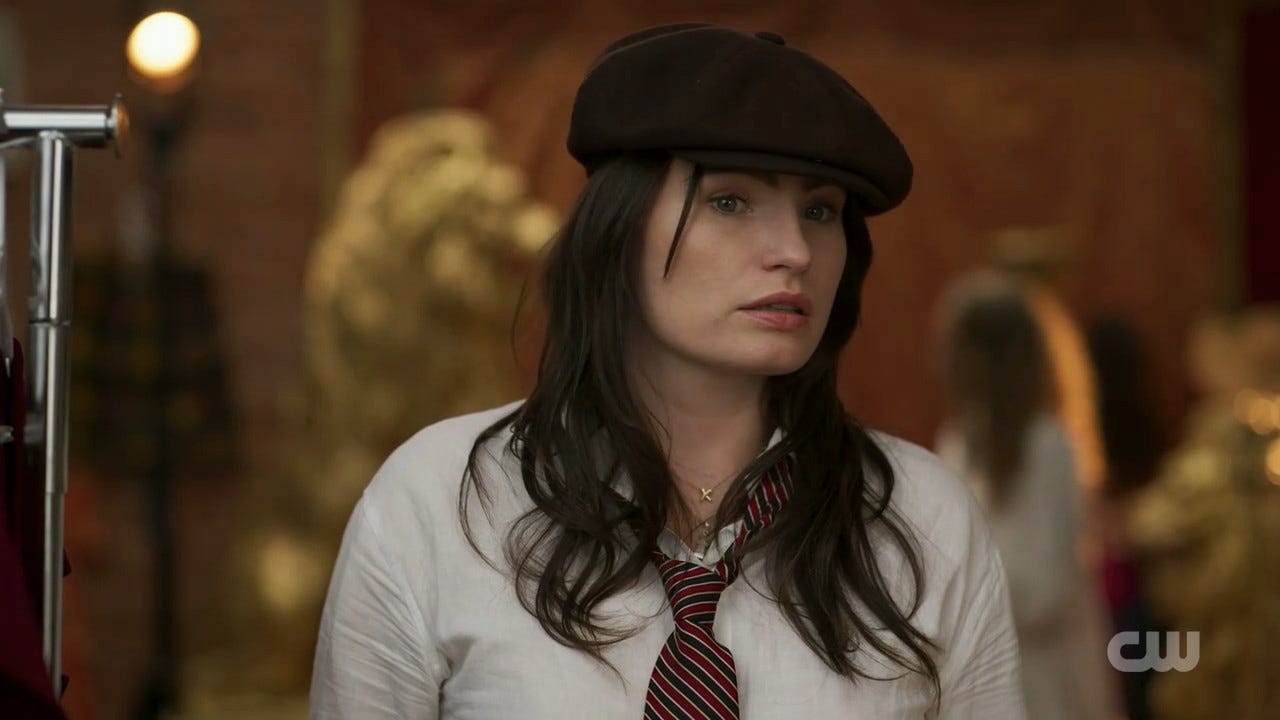
I should note here that while fashion is a big part of the show, much of the styling in this film is atrocious. The characters frequently moon over vintage clothing that looks like it came from Macy’s in like, 2007. “Fashion is practically its own character,” Cegielski claims, seemingly without a hint of irony. My favorite part of the film is how Caro attempts to disguise the very famous and recognizable Philipa by taking her hair down and putting her in a Newsies hat. Depending on the day, she’s either dressed like Diane Keaton or a cast member on Peaky Blinders. It is completely illogical but also hilarious. To be fair, Gallagher somehow pulls off these outrageous looks — perhaps because of the masc energy the outfits exude.
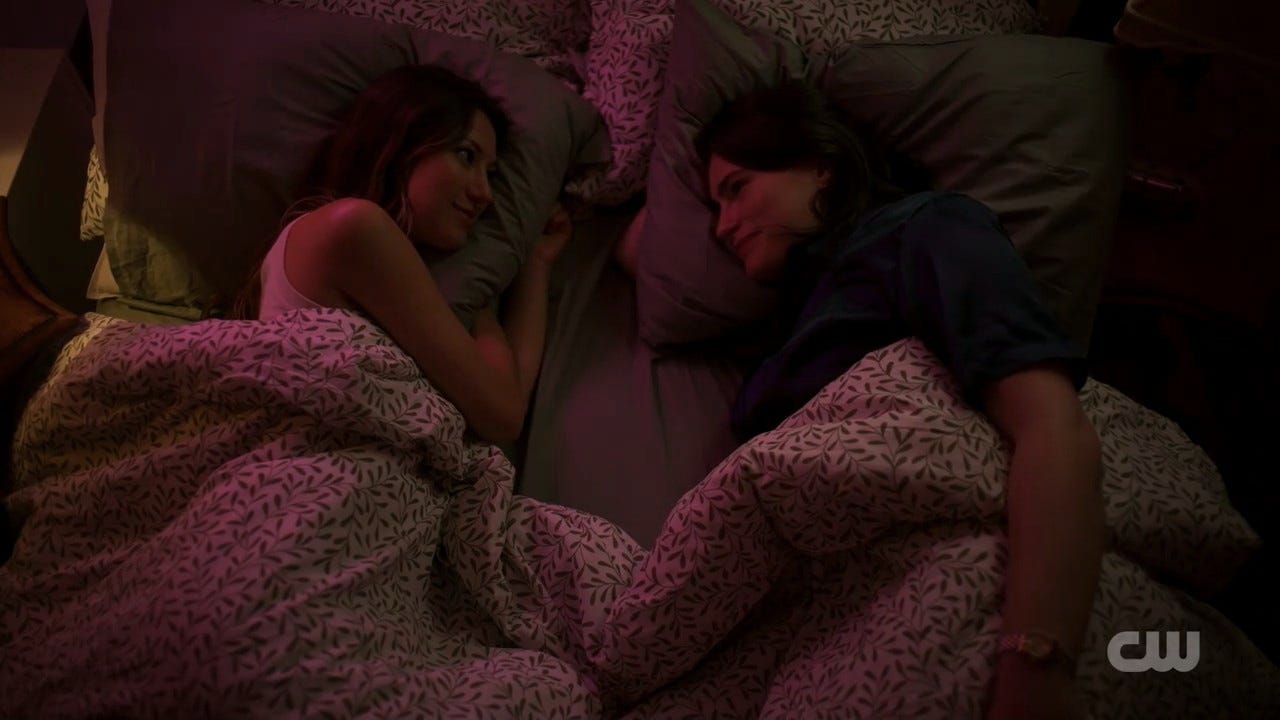
As per the requirements of Harlequin novels, Ordinary Girl in a Tiara has a happy ending. Philipa and Caro work out their differences, becoming better versions of themselves. Philipa gives a 13 Going on 30-esque presentation to the board and saves the day. Philipa and Caro kiss and eventually sleep together, but the camera quickly cuts away from the action, and we’re treated to a forgettable pop song that reminds us that this aired on The CW. (Though Gossip Girl had much more sex.)
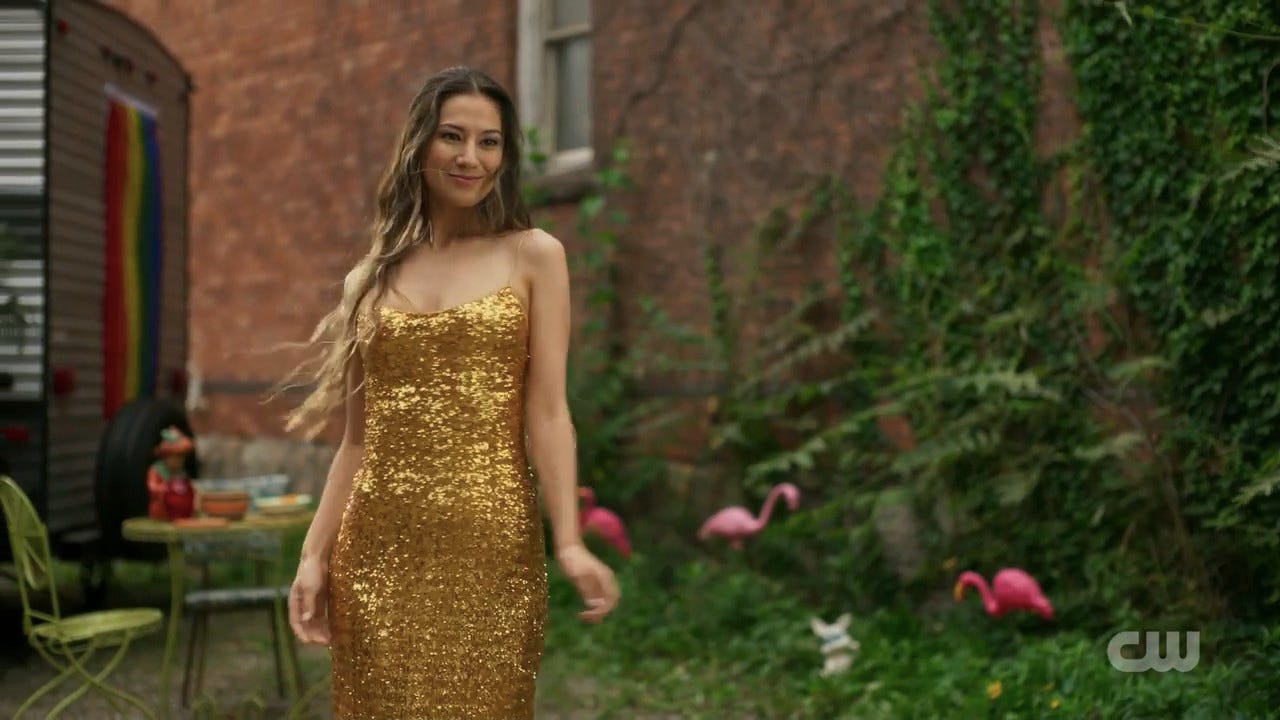
Is any of this interesting? The story of Ordinary Girl in a Tiara is terribly basic, but it’s sort of charming despite — or perhaps because of — this. Indeed, the formulaic nature of Harlequin novels is the heart of their appeal. Gallagher’s charismatic, witty performance is a highlight, and I might go as far as to say there is something Lena Luthor-esque about her character. Still, it remains puzzling that the film was adapted from a straight romance novel when queer and sapphic romance novels, including Harlequin romances, have become more common. According to Cegielski, the impetus for the transformation was this: “By centering the film on two women, we weren’t changing the story’s essence; we were widening the lens to reflect the wider world.”
This is the kind of rhetoric that Harlequin uses when discussing efforts to diversify their stories. In the last few years, they’ve created the #RomanceIncludesYou initiative to encourage underrepresented writers to submit their work. When it comes to contemporary discourse about LGBTQ media, Ordinary Girl in a Tiara follows the trend of eschewing coming-out stories in favor of other narratives. As star Katharine King So wrote on Instagram, “Thanks to @lisarosesnow for adapting this @harlequinbooks novel and making it just as juicy but absolutely gay. 0% of the conflict is about coming out - and all of it is around fashun (and forgiveness).”
The notion that gay people should be portrayed just like everyone else can feel grating and disingenuous at times, because in many ways, we’re not like everyone else. However, while Ordinary Girl in a Tiara uses the same formula as every other romance, the result is different. Queer people inhabit these tropes in distinct ways, and more than that, queer viewers receive such content differently — carrying the added baggage of their hopes and disappointments and desire to watch something that feels affirming. Surely we do not need to put this much pressure on a sappy romance film, but doesn’t it feel nice to keep a little joy in our hearts?