

Mary Oliver's Lesbian Love Story
Within the pages of 'Our World'

This is the Sunday Edition of Paging Dr. Lesbian, an AI-free, self-funded, queer media project. If you’d like to support my work as a full-time journalist in an unstable industry, please consider upgrading your subscription. It will get you weekly news updates, a monthly playlist, and a free sticker.
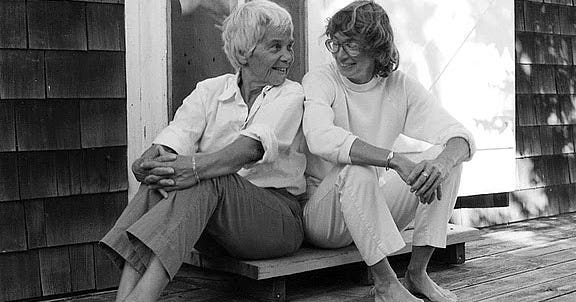
Recently, my girlfriend gave me an assignment for Paging Dr. Lesbian. She pronounced that I should write about Mary Oliver, the beloved poet of the natural world, who also happened to be a lesbian. To that end, she sent me a book. Published in 2007, Our World is Mary Oliver’s celebration of her life with Molly Malone Cook, published two years after the latter’s death.
Even if you don’t think you know Mary Oliver, you probably know Mary Oliver. Her poem “The Summer Day” ends with an oft-repeated refrain: Tell me, what is it you plan to do with your one wild and precious life? In “Wild Geese,” she suggests, You only have to let the soft animal of your body love what it loves, a sentence you may have seen on motivational moodboards and cheeky bumper stickers.
But who was Molly Malone Cook? Born in San Frasisco in 1925, Molly was a photographer and supporter of the arts. She moved to Provincetown, Massachusetts, in the 1960s, opening one of the first photography galleries in the country there. She sold prints from photographers like Edward Steichen and Ansel Adams. Later, she opened East End Bookshop, where the filmmaker John Waters worked as a clerk. She was friends with and worked with all sorts of important people, including Norman Mailer and Lorraine Hansberry. In the late 1950s, Molly met Mary at the home of poet Edna St. Vincent Millay.
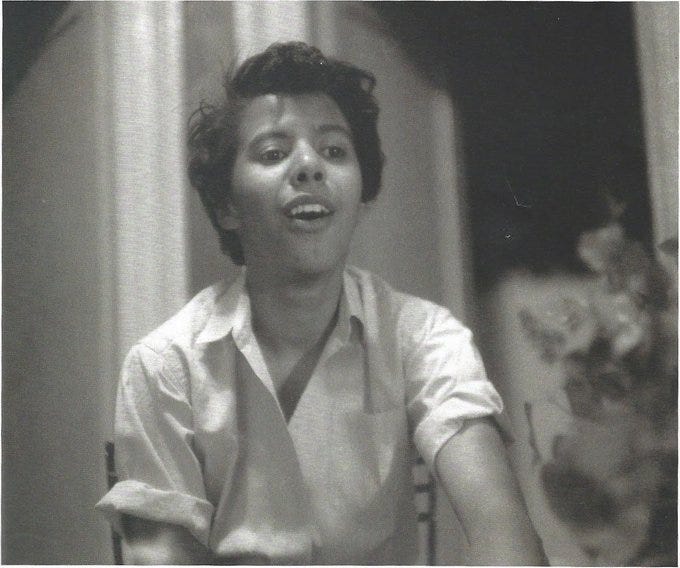
Our World features many of Molly’s black-and-white photographs and words from Mary. The final few pages include entries from Molly’s journals. Her photographs are brimming with personality and the suggestion of secrets. Mary describes Molly’s photographs as “images of vitality, hopefulness, endurance, kindness, vulnerability.” You get the sense that all of her subjects have a rich inner life, which Molly has attempted to unspool by capturing a moment in time. Mary keeps some of Molly’s secrets for her, while sharing bits of their life together. She describes Molly like this: “She lived sometimes in a black box of memories and unaswerable questions, and then would come out and frolic—be feisty, and bold.”
In their early years together, Mary and Molly had little in the way of money, though Provincetown provided abundant natural resources. They foraged for food, and delighted in creation. “M. was taking and printing her own photographs, I was writing poems at the kitchen table, and we were young,” Mary says. Later, the arrival of a new season. “Things began to change after that. And we didn’t disdain restaurants, the exquisite and dainty and plentiful foods. But neither did we forget the pleasure of our simplicity, our so-called hard years. When work was play and play so thoroughly entered our work.”
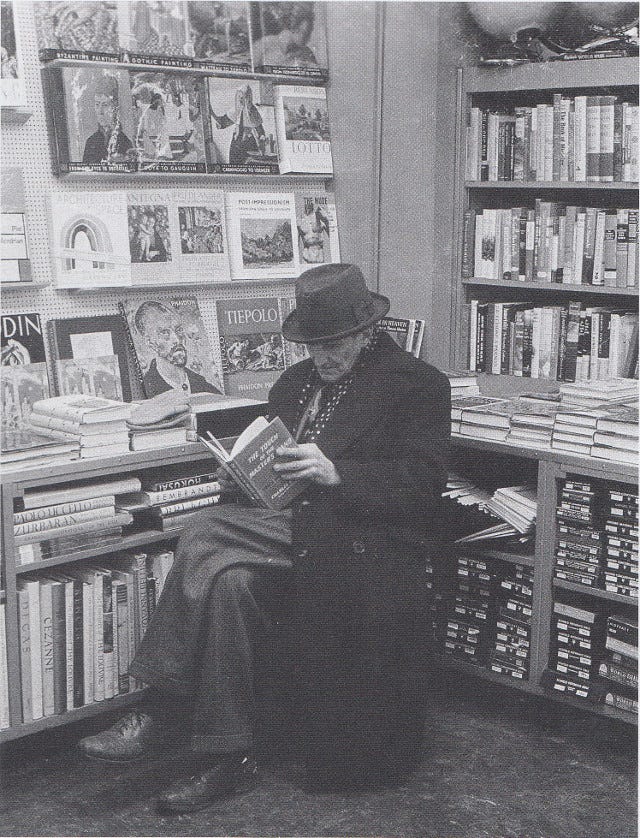
With great reverence, Mary describes the pleasures of watching someone you love work. Though the many hours Molly spent in the darkroom, inhaling fumes while smoking a cigarette, would eventually damage her lungs. While Mary paid close attention to the workings of the natural world, Molly was more interested in people. Mary believed she only truly understood the power of attention after observing Molly’s interactions with the world. “Attention without feeling, I began to learn, is only a report. An openness —an empathy— as necessary if the attention was to matter.”
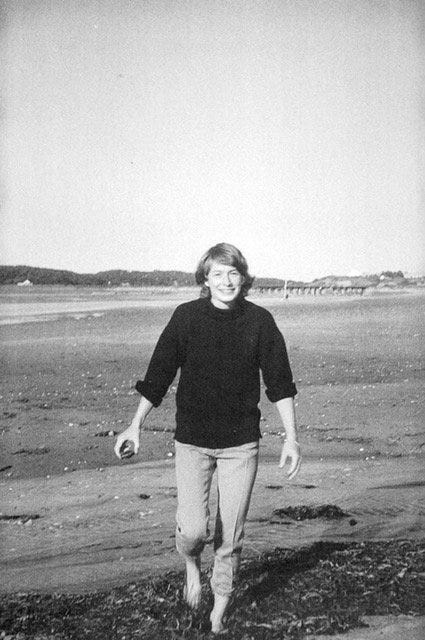
Indeed, Molly and Mary looked at and existed in the world differently, though they found in their partnership an exquisite harmony. “Her world certainly wasn’t daises or birds or trees, as mine was; we each had our separate natures; yet our ideas, our influence upon each other, became a rich and abiding confluence,” Mary says. The book includes one of Molly’s journal entries, in which she explains that whenever she asks Mary for news after she’s been out, she’s hoping for news of humans, but Mary always tells her news about the animals, the trees, or the tides. Mary always knew that Molly wanted her to be more involved in the world of humans, and she got there, eventually. As for the journal entry? “What a gift to read about her wish for it, who never expressed impatience with my reports of the natural world, the blue and green happiness I found there. Our love was so tight.”
There is something / about the snow-laden sky / in winter / in the late afternoon / that brings to the heart elation / and the lovely meaninglessness of time. / Whenever I get home—whenever— / somebody loves me there.— Walking home from Oak-Head
Writing about the poet in a 1997 article for the Harvard Gay and Lesbian Review, Sue Russell said this: “Mary Oliver will never be a balladeer of contemporary lesbian life in the vein of Marilyn Hacker, or an important political thinker like Adrienne Rich; but the fact that she chooses not to write from a similar political or narrative stance makes her all the more valuable to our collective culture.” Indeed, Mary is best known for writing poems about her solitary, spiritual experiences in nature. But, as the poem above indicates, there was also someone waiting for her at home.
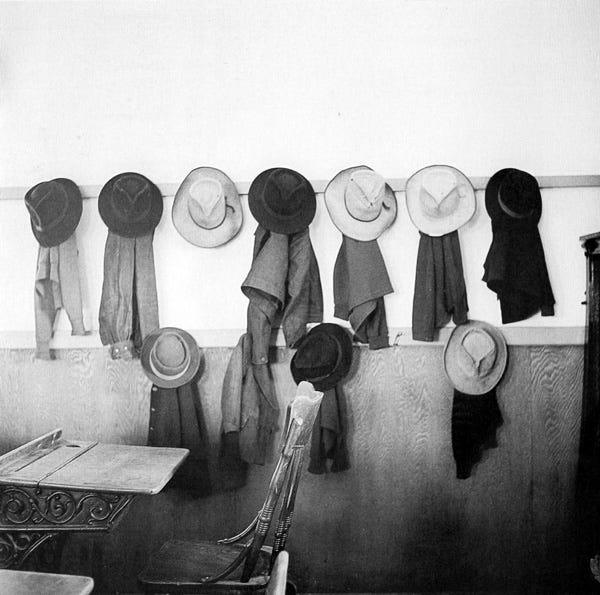
Mary Oliver’s lesbian relationship does not make her an inherently political poet, but the knowledge that she built an abundant life with another woman adds richness to her work. Thinking about Mary on one of her long walks along the beach while Molly stays home, tending to correspondence, the two of them feeding the dogs, making a simple dinner together, recapping that day’s highlights — it’s an image of great beauty, one that Mary shares with us as she excavates her memories in Our World.
In a rare interview with Maria Shriver, Mary is asked what she has done with her wild and precious life. “What I have done is learn to love and learn to be loved,” she responds. “That didn’t come easy.” What a gift, then, to witness that love on the page, through beautiful images and Mary’s simple words.

Not sure why this brought tears to my eyes but it DID. Thank you for your wonderful writing. XOXO
I lovee that this began as an assignment from your girlfriend. Such a tender love story, Mary and Molly. This line really struck me "With great reverence, Mary describes the pleasures of watching someone you love work." Thank you for taking the time to write about their love!